
Questions to ask your next Group Income Protection insurer


last edited


Group Income Protection (GIP) pays insured employees a proportion of their wages if they’re too ill or injured to work for a sustained period. But good quality GIP goes beyond financial support and offers vocational rehabilitation and absence management support.
Here are some of the questions you could ask, to help you get the right support for your business.
A safety net… plus
The reassurance of financial support during illness or injury is an invaluable benefit for employees. However, GIP can go one step further and help to prevent absenteeism by providing employees who are struggling at work with personalised plans which give them easy access to valuable services to help them cope.
Engaging with rehabilitation support early can often produce better outcomes. Many insurers encourage open conversations, provide employees with support and managers with training, helping them to identify early signs of someone who is struggling and signposting them to the services they need.
How Group Income Protection can support rehabilitation for employers and employees
For employees, long-term sickness typically means being on reduced pay, and often experiencing feelings of disconnection from the social benefits of work, loss of sense of purpose, and poor health and wellbeing.
Rehabilitation and absence management can positively impact outcomes, reducing the potential financial, emotional and physical consequences of sickness absence.
Meanwhile, employers may struggle to cover for absent employees, risking business disruption and increasing pressure on remaining teams. Helping employees before a claim occurs and reducing how long they’re unwell for, can have a favourable impact on costs for employers when it’s time to renew their policy.
So, if you’re considering Group Income Protection for your business, what are the key things to understand?
Essential questions you need to ask
How long has the insurer offered Group Income Protection?
The longer an insurer has offered GIP, the more experience they’ll have dealing with claims, absence management and rehabilitation across a range of health issues for different industries and company sizes.


Does the insurer specialise in employee benefits?
Expertise is key, so find out if the insurer specialises in employee benefits that support both employers and their employees. For some insurers, employee benefits are just one type of insurance they cover. Insuring cars and homes is very different from protecting and assisting employers and their people!

When is rehabilitation support available?
The earlier employees get rehabilitation support the better. Early rehabilitation — as soon as the employee is struggling and before a claim — can positively impact outcomes.
That’s why we encourage employers to contact us as soon as they see signs of an employee struggling. Employers can use our absence management helpline to get advice on the best course of action for employees covered by our GIP.


Does the insurer’s rehabilitation support positively influence the return-to-work success rate?
The return-to-work success rate is important. However, there can be multiple steps towards a successful and sustained return to work for employees.
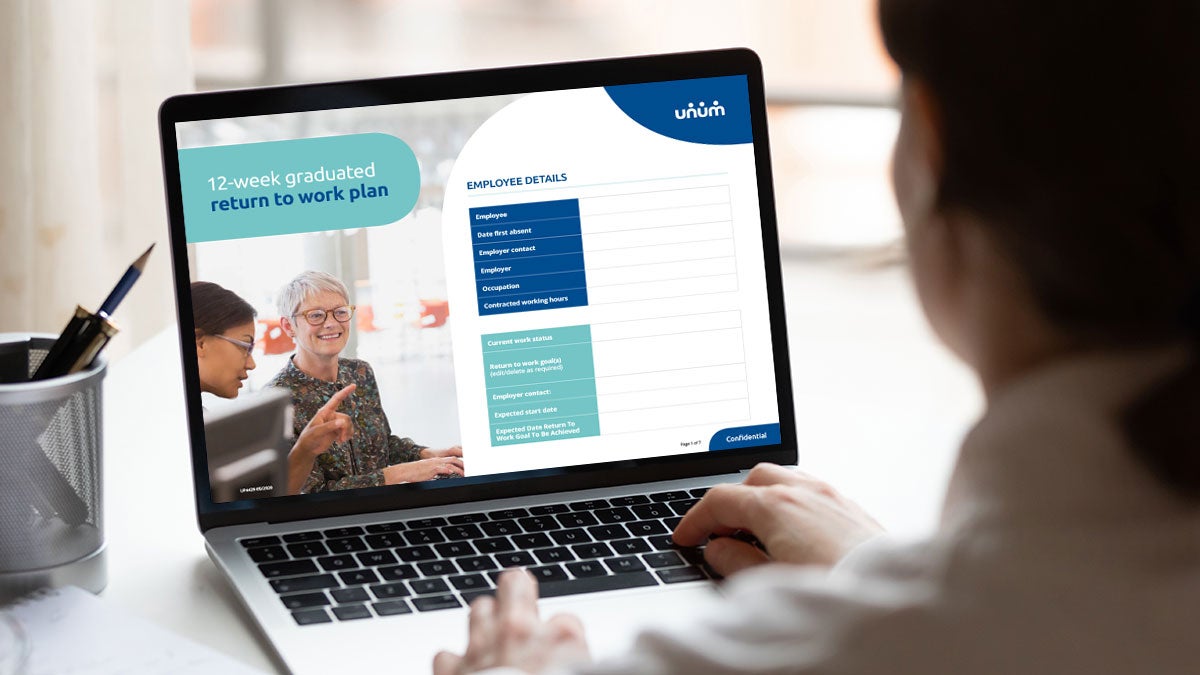
Check if the insurer creates personalised, phased return-to-work plans, to help ease employees back to work. This approach can reduce ‘rebound’ absences, where employees feel they aren’t ready to return to work and their symptoms recur.
The true goal is not just getting employees back to work, it’s ensuring they can remain well enough to stay in work and have access to all the support they need to do so.
Does the rehabilitation service have a track record of reducing claim durations?
Whilst referring employees for rehabilitation support before they need to make a claim can make a big difference, GIP insurers understand that those facing illness or injury may still need to claim and benefit from the financial safety net.
Check the rehabilitation team’s success rate in reducing the duration of claims. Does a referral to them reduce the length of time an employee is too unwell to work when compared to no referral at all? Rehabilitation aims to build a successful, sustainable return to health and work, so the shorter the amount of time an employee is unwell, the less daunting it can feel to return to the workplace.

Are the insurer’s claims and rehabilitation experts in-house?
When an employee needs to claim or requires rehabilitation, who provides this support? What are their qualifications and are they doctors and nurses or external staff?
Rehabilitation and absence management services supported by in-house, practising medical professionals — such as doctors acting as medical advisers — offer invaluable knowledge of illnesses and injuries.
An internal multi-disciplinary team, offering a collaborative service, can cut referral times and improve accessibility for employees needing to claim or requiring rehabilitation support.

What other preventative services are available?
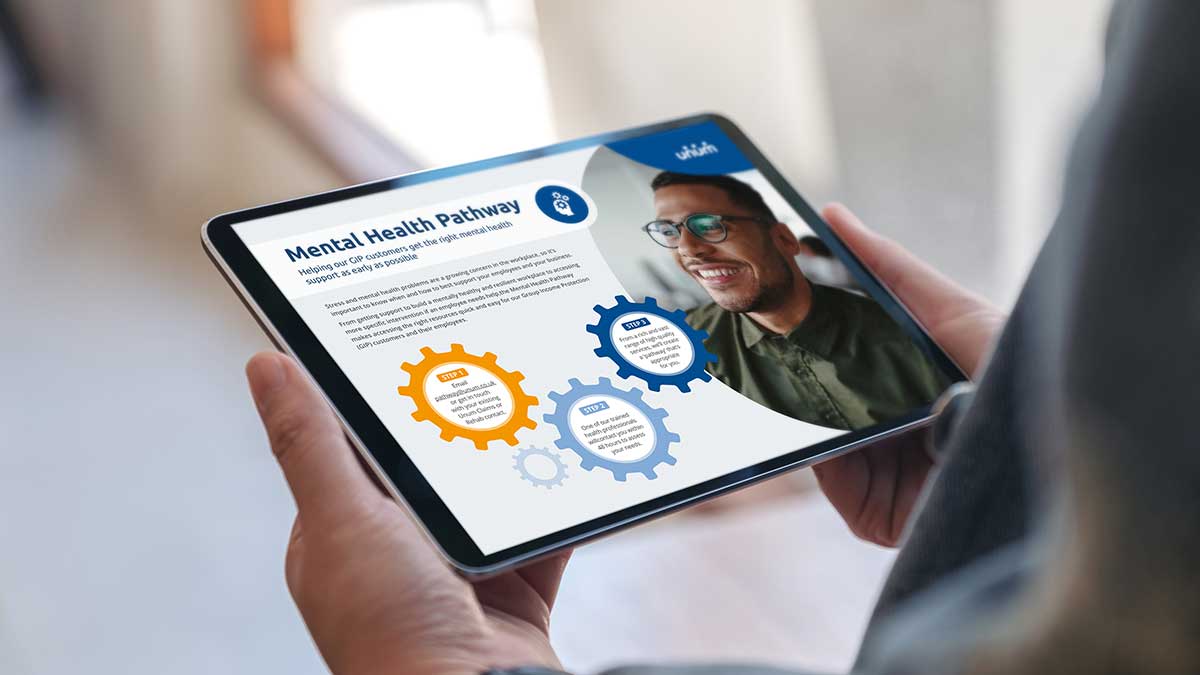
As well as line manager training, GIP providers may offer additional services which can contribute to healthier, happier and more productive workplaces. Ask for things like: mental health support, cancer pathways, virtual doctors and more.

Group Income Protection benefits in action
Unwavering support when a return to work simply isn’t possible.
Read Paul'storyReady to support your workforce?
1 Corporate Adviser Workplace Protection and Wellbeing Report 2024
2 Help@hand from Unum is provided to Unum Limited (“Unum”) customers by third-party specialist providers chosen by Unum. Unum is not the provider of the Services. The Services are entirely separate from the insurance policy provided by Unum. Access to the Services is facilitated by Unum at no cost to the Unum customer, and Unum may change or withdraw access to the Services at any time. Use of the Services are subject to the terms and conditions of the relevant third-party specialist providers. Services are available to UK residents only. For further information, please go to unum.co.uk/frequently-asked-questions/services.