
Paul receives 17 years of support with Unum Group Income Protection

6 mins ·
last edited

A sudden health crisis
Paul Marshall has always been a ‘glass half full’ person, a mindset that became hugely important when a severe stroke changed his life overnight. One evening, he remembers walking toward the bathroom. The next thing he knew, he woke four days later in hospital - frightened, confused, and surrounded by medical staff.
“You wake up and suddenly the life you knew isn’t there anymore. You need people who can guide you through what comes next.”
Facing up to long-term changes
As Paul began his recovery, the long-term effects of the stroke became clear. He experienced crushing fatigue, struggled to concentrate for more than 20 minutes, and lost nearly 40% of his field of vision, leaving him completely blind on his left side.
Driving had been central to Paul’s job as a business development manager, travelling nationwide to visit client factories. When the stroke left him unable to drive, Paul realised he would never be able to return to the job he loved. “Driving was fundamental to what I did… after the stroke I couldn’t drive, so I could never return to that job.” The changes to his spatial awareness made industrial sites unsafe. As Paul puts it, “I was a health and safety liability.”
When he phoned his Managing Director to break the news he was not returning. He learned the company had reached the same decision, but had deliberately waited, allowing Paul to get there in his own time with dignity.
Claims expertise that matters
It was at this point that Paul’s employer supported him in accessing his Unum Group Income Protection policy. This provided 75% of his salary, increasing each year, for the seventeen years until his retirement. This stability became a lifeline for him and his family.
What stood out to Paul wasn’t just the financial support, but the way Unum treated him. “I have nothing but praise for Unum… Every contact I had was professional, capable and supportive.”
Paul always had a named contact, and each annual review felt personal and considerate. When travelling to a face-to-face appointment wasn’t possible, Unum switched to a phone call without hesitation. “It was a real weight off my mind.”
Severe fatigue and limited concentration made even simple admin tasks difficult. Paul noticed immediately that Unum’s claims experience reduced that burden. “I only ever had to tell Unum something once.”
"The stability GIP gave me meant I could focus on my recovery - and still support my family."


GIP support that lasts
With the financial pressure eased, Paul could focus fully on his recovery and adjusting to life after the stroke.
The stroke affected more than his health; it reshaped his identity and his role within his family. When it happened, his daughter was 14 and his son 12. “I’d always been the major breadwinner,” he explains. Thanks to GIP, he was able to continue contributing to family finances, support his children through school and university, and even help them onto the property ladder. “Being able to contribute… was incredibly important for my self respect.”
Paul also speaks highly of his employer. “They stood by me through some very tough times,” he says. They paid his full salary during the deferred period, supported him through the GIP process, and treated him with fairness and compassion throughout.
Later, when the company went into administration, Unum took over payments directly and the transition was seamless. For Paul, it was reassuring to know he wasn’t a financial burden on his former employer and that his support would continue without disruption.
Why GIP matters for the workforce
Paul admits he never thought much about Income Protection when he first joined his employer. It was a benefit he didn’t imagine he’d need.
Paul has an important message for anyone who is unsure of what employee benefits they have “I wasn’t very interested in it [GIP] when I was recruited. I now know it’s something I couldn’t have coped without. “I think anyone who isn’t offered it as part of their package should be asking why not, and pushing their employer, or prospective employer, to provide it.”
Leadership insight
Reflecting on Paul’s story, Paula Coffey, Unum’s Director of Claims, Rehabilitation and Medical Services: “Every person we work with has their own circumstances, challenges and pace of recovery. That’s why our early intervention, clinical input and rehabilitation services are shaped around what they need, not a fixed process.
Cases like Paul’s show the breadth of what GIP can do. Whether it’s helping someone stay at work, supporting a return to work where appropriate, or providing long term security when a return isn’t possible, our focus is always on doing what’s right for the individual. His story is a powerful example of that.”
Give your people the support they’ll rely on when life changes unexpectedly
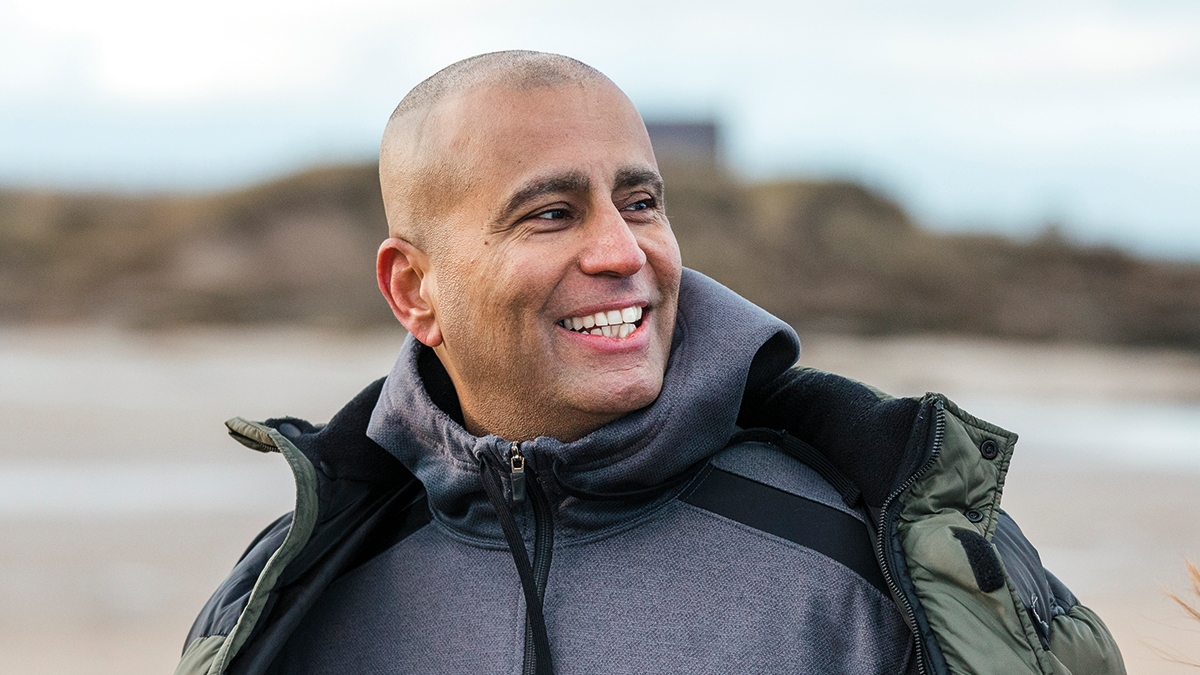
As requested by the individual featured representative images have been used to protect their privacy.