



Unum data links digital health access to reduced sickness absence
Over 3 mins ·
last edited
New research from specialist employee benefits provider, Unum UK, reveals a growing divide in how UK SMEs support workforce wellbeing, with provision varying sharply by sector. IT and telecoms lead the way, with 85% of firms offering comprehensive wellbeing benefits, followed by financial services and health providers at 77%. In contrast, retail drops to 51%, and hospitality and leisure to just 49%.
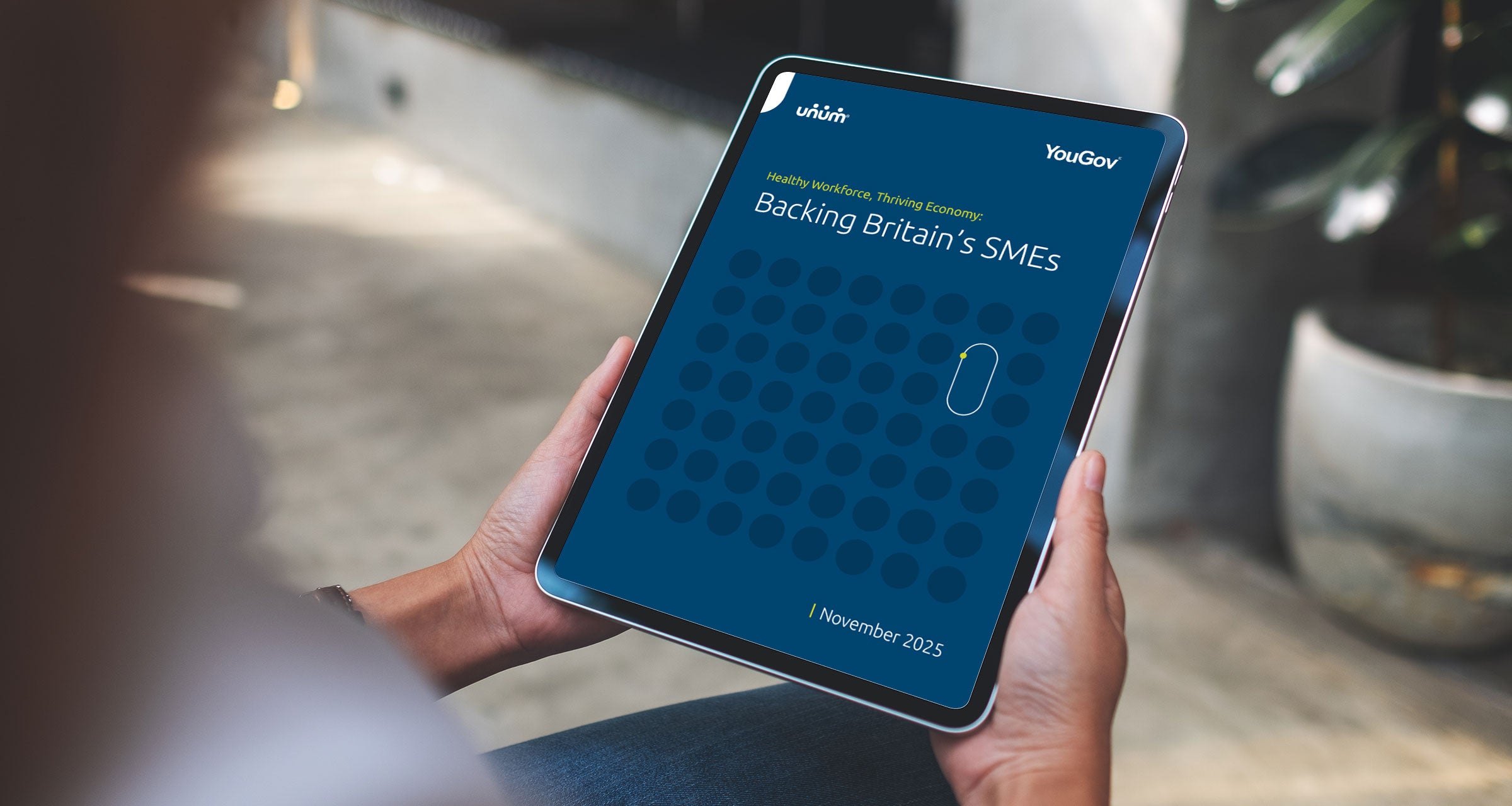
Unum’s latest report, ‘Healthy Workforce, Thriving Economy: Backing Britain’s SMEs’, warns that this divide risks deepening health inequalities, weakening workforce resilience and slowing the pace of economic recovery in the UK.
Mark Till, CEO of Unum UK, said: “SMEs are the backbone of the UK economy, employing nearly 17 million people. But our research shows a widening gap in the wellbeing support they are offering their workforces. Higher-margin sectors such as professional services are able to invest more, while retail, hospitality and leisure firms are struggling to keep pace – a divide that threatens the UK’s economic resilience.”
For SMEs, investing in wellbeing helps attract and retain talent, reduce absenteeism and boost performance. Employees in professional services often benefit from mental health support and financial protection, but millions in lower-wage, customer-facing roles remain without comparable support.
Financial pressures are compounding the challenge. Two-thirds of hospitality and leisure businesses and 60% of retail firms say increases to the National Minimum Wage and National Living Wage are impacting their ability to invest in employee benefits. And, while 71% of SMEs offer at least one wellbeing initiative, uptake drops sharply among smaller firms due to time, resource and expertise constraints, creating the risk of a two-tier workforce.
“Rising costs and economic uncertainty are making it harder for SMEs to prioritise wellbeing, but ill-health is now the biggest driver of economic inactivity” added Mark. “If we don’t act soon, millions of workers will be left behind at a time when businesses need to be more competitive – and productive – than ever before.”
With the Autumn Budget fast approaching, Unum is urging policymakers to act to avoid the wellbeing divide widening and the UK’s economic recovery stalling. The solution is within reach - targeted tax incentives, clearer guidance and stronger support could unlock vital investment in employee wellbeing across the SME sector, backing the businesses that keep Britain working.
Original survey of 2,010 UK business decision-makers, all of whom are employed within organisations with 3-249 employees. The survey was conducted online by YouGov Plc during the fieldwork period of 31st July – 14th August 2025.